
Blog
Best Ways to Maintain Car Safety: 2026 Guide
Last Updated: October 23, 2026
Quick Summary
The best ways to maintain car safety involve monthly inspections of tires, lights, fluids, and brakes paired with seasonal deep checks and annual professional evaluations. This structured approach catches problems early before they become dangerous failures.
- Check tire tread depth monthly using the penny test and replace tires when tread reaches 4/32 inch for better wet weather safety.
- Test all exterior lights monthly including headlights, brake lights, turn signals, and hazard lights to ensure visibility.
- Inspect fluid levels monthly: engine oil, coolant, brake fluid, and power steering fluid, as low levels signal leaks or consumption.
- Never ignore the brake warning light; have the system inspected immediately to prevent complete brake failure.
- Flush brake fluid every two years to prevent fluid degradation and maintain braking reliability.
Table of Contents
- Why Regular Car Safety Maintenance Matters
- Car Safety Maintenance Checklist: What to Inspect Monthly
- How to Tell If a Car Battery Is Failing: Signs and Solutions
- Tire Safety Inspection: Tread, Pressure, and Alignment
- Brake Maintenance and Warning Signs You Can’t Ignore
- Seasonal and Annual Safety Checks
- Conclusion: Your Safety Starts With Prevention
- Frequently Asked Questions
Why Regular Car Safety Maintenance Matters
Vehicle safety depends on consistent, proactive maintenance. The best ways to maintain car safety start with understanding that small issues compound into dangerous failures. A worn brake pad doesn’t just reduce stopping power, it can fail completely when you need it most. A low tire doesn’t just waste fuel, it can blow out at highway speeds.
The difference between a safe vehicle and a dangerous one often comes down to whether the owner is following a structured maintenance plan. This guide covers the specific checks that matter most, when to perform them, and what warning signs demand immediate attention.
Maintaining car safety isn’t complicated, but it does require discipline. Most drivers skip maintenance until something breaks, which is exactly backward. The best approach is monthly inspections paired with seasonal deep checks. This prevents surprises and keeps your vehicle reliable for daily commuting and family trips alike.
Car Safety Maintenance Checklist: What to Inspect Monthly
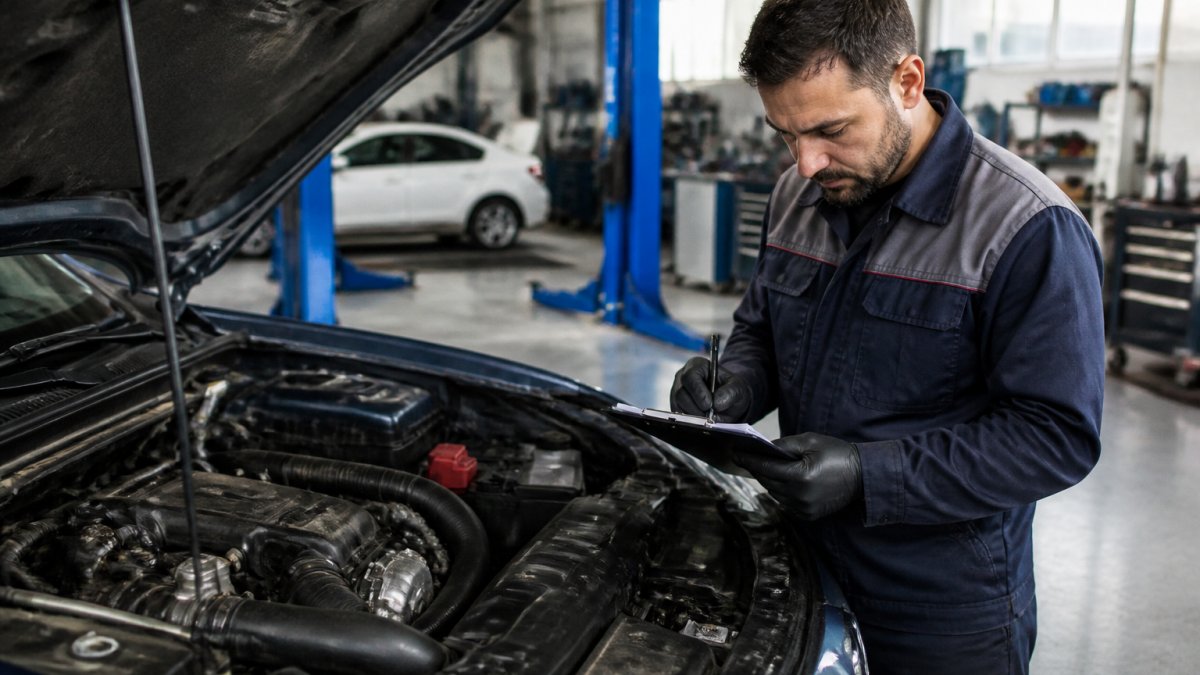
Monthly inspections take 15 minutes and catch problems early. These checks don’t require special tools, just your eyes, a flashlight, and basic attention.
Start outside the vehicle. Walk around and look at all four tires for uneven wear, bulges, or foreign objects. Check that all lights work: headlights, brake lights, turn signals, and hazard lights.
Open the hood and look at fluid levels: engine oil, coolant, brake fluid, power steering fluid, and windshield washer fluid.
Inside the vehicle, test all controls before driving. Wipers should clear the windshield completely. Mirrors should adjust smoothly. Seat belts should retract and lock properly. Climate control should blow hot and cold.
Fluid Levels and Condition
Engine oil is the lifeblood of your engine. Low oil causes metal-to-metal contact, overheating, and catastrophic engine failure. Check the dipstick with the engine cold and parked on level ground. The level should be between the minimum and maximum marks.
Coolant keeps the engine from overheating. Never open a hot radiator, pressure can cause serious burns. Wait until the engine cools, then check the overflow reservoir. The level should be between the minimum and maximum lines.
Brake fluid is critical for stopping power. The reservoir is usually under the hood, often translucent so you can see the level without opening it. Brake fluid should be between the minimum and maximum marks.
Power steering fluid helps you control the vehicle. Check with the engine running and the steering wheel straight. The level should be in the marked range on the reservoir.
Lights and Signals
Every exterior light serves a safety purpose. Headlights help you see and help others see you. Brake lights tell drivers behind you that you’re stopping. Turn signals communicate your intentions. Hazard lights warn of emergencies. A single burned-out bulb reduces your visibility and makes your vehicle less visible to others.
Check all lights monthly. Turn on headlights and walk around to confirm both low and high beams work. Press the brake pedal and verify brake lights illuminate. Activate turn signals left and right. Turn on hazard lights.
Interior lights matter too. Dome lights help you see inside the vehicle at night. Dashboard lights let you read gauges and controls. Dim or dead interior lights aren’t emergencies, but they affect safety and convenience. Replace them when they fail.
How to Tell If a Car Battery Is Failing: Signs and Solutions
A dead battery leaves you stranded. A failing battery can leave you stranded at the worst possible moment.
Common warning signs appear before complete failure. The engine cranks slowly when starting, taking longer than usual to turn over. Dashboard lights dim when you’re idling at a traffic light.
Battery age matters. Most car batteries last three to five years. After that, failure becomes more likely.
Check battery terminals monthly. Corrosion appears as white, blue, or green crusty buildup on the terminals or cable connectors. This corrosion increases resistance and reduces charging efficiency.
Loose battery cables reduce electrical connection. The cable should be tight on the terminal with no movement when you try to wiggle it.
If your battery is failing, have it replaced before it dies completely. A dead battery in traffic or bad weather creates a dangerous situation.
Tire Safety Inspection: Tread, Pressure, and Alignment
Tires are your only contact with the road. Worn or improperly inflated tires reduce traction, increase stopping distance, and can fail suddenly.
Tread depth determines how well tires grip wet pavement. New tires have about 10/32 inch of tread. The legal minimum is 2/32 inch, but traction degrades significantly before reaching that limit.
Tire pressure affects fuel economy, handling, and safety. Under-inflated tires overheat and wear faster. Over-inflated tires reduce traction and wear in the center.
Uneven tire wear signals alignment or suspension problems. Wear on one edge indicates alignment issues. Wear in the center indicates over-inflation. Wear on both edges indicates under-inflation. Cupping, scalloped dips around the tire, indicates suspension problems.
Alignment ensures tires wear evenly and the vehicle handles predictably. Powder Spring BLT offers wheel alignment services using modern equipment to restore precise handling.
Brake Maintenance and Warning Signs You Can’t Ignore
Brakes are your primary safety system. Brake failure is catastrophic. Regular brake maintenance prevents failure and keeps stopping power reliable.
The brake warning light on your dashboard indicates a problem, low fluid, worn pads, or a system malfunction. Never ignore it. Have the system inspected immediately.
Brake pads wear with use. Most vehicles have wear indicators, metal tabs that contact the rotor when pads are thin, creating a squealing sound.
Soft or spongy brake pedal indicates air in the brake lines or low brake fluid. The pedal should feel firm and require moderate pressure to stop the vehicle.
Brake noise, squealing, grinding, or groaning, indicates wear or damage. Squealing may be the wear indicator. Grinding means metal-to-metal contact, requiring immediate pad and rotor replacement.
Brake fluid absorbs moisture over time, reducing effectiveness and corroding internal components. Brake fluid should be flushed and replaced every two years.
Seasonal and Annual Safety Checks
Seasonal changes demand different maintenance. Winter requires different preparation than summer. Annual comprehensive checks catch problems that monthly inspections might miss.
Winter preparation includes checking battery strength, cold reduces battery output by 30-50 percent. Ensure windshield wipers and washer fluid work well. Use winter-grade washer fluid that won’t freeze. Check that heating and defrosting systems work properly.
Summer preparation includes checking air conditioning function, it’s a safety system that prevents heat-related fatigue. Verify cooling system operation and coolant level. Check that brake fluid hasn’t absorbed excessive moisture. Inspect tires for damage from winter roads and heat stress.
Annual comprehensive inspections should include professional evaluation of all major systems. Suspension components should be checked for wear and damage. Exhaust system should be inspected for leaks or damage. Transmission fluid should be evaluated. Engine performance should be tested with diagnostic equipment.
| Maintenance Task | Frequency | Why It Matters |
|---|---|---|
| Check tire tread and pressure | Monthly | Prevents blowouts and improves handling |
| Inspect lights and signals | Monthly | Ensures visibility and communication |
| Check fluid levels | Monthly | Prevents engine damage and brake failure |
| Test brakes and steering | Monthly | Confirms primary safety systems work |
| Replace brake pads | As needed (typically 50K-70K miles) | Maintains stopping power |
| Rotate tires | Every 6,000-8,000 miles | Promotes even wear |
| Check alignment | Annually or when pulling occurs | Prevents uneven tire wear |
| Flush brake fluid | Every 2 years | Maintains braking reliability |
| Replace engine air filter | Annually or as needed | Maintains engine efficiency |
| Full system inspection | Annually | Catches developing problems early |
The penny test works for tire tread depth, but don’t wait until tread is barely legal. Traction degrades significantly before reaching the 2/32 inch minimum. Replace tires when tread reaches 4/32 inch for better safety margins in wet conditions.
Ignoring brake warning lights is dangerous. Continuing to drive with the warning illuminated risks complete brake failure. Have the system inspected immediately, this is not a problem to postpone.
Conclusion: Your Safety Starts With Prevention
The best ways to maintain car safety come down to consistent attention and timely action. Monthly inspections take minimal time but catch problems early. Seasonal preparation addresses weather-specific challenges. Annual professional checks evaluate systems that routine maintenance might miss. This structured approach prevents emergencies and keeps your vehicle reliable for daily driving.
Your vehicle’s safety systems are only effective when they’re maintained. Worn brakes, low fluids, and failed lights can’t protect you. Powder Spring BLT is a premier auto repair shop dedicated to providing expert maintenance and repair services to keep your vehicle running at its best. Our team of certified mechanics utilizes modern equipment and high-quality parts to deliver precise diagnostics, engine services, and wheel alignments. Whether you need routine maintenance or urgent repairs, our certified team in Powder Springs is ready to keep your vehicle safe and reliable.
Frequently Asked Questions
What maintenance keeps a car safe to drive?
Regular checks of brakes, tires, battery, lights, and fluid levels are essential to maintain car safety. These inspections catch wear and damage before they become dangerous. Most vehicles benefit from monthly visual checks and professional inspections at least once or twice yearly. Certified mechanics can spot issues that aren’t obvious to drivers, ensuring your vehicle meets safety standards and performs reliably on the road.
How can I tell if a car battery is failing?
Signs your battery may be failing include slow engine cranking, dim headlights, clicking sounds when turning the key, and dashboard warning lights. If your vehicle struggles to start, especially in cold weather, the battery may be near the end of its life. A professional can test battery voltage and health. Most car batteries last 3-5 years; if yours is older, proactive replacement prevents breakdowns and stranding.
How often should I check my tires for safety?
Check tire pressure and condition at least monthly, and before long trips. Proper tire pressure improves fuel efficiency, handling, and safety. Inspect tread depth using the penny test: insert a penny into the tread; if you see the top of Lincoln’s head, tread is too worn. Rotate tires every 5,000-7,000 miles and have alignment checked annually to prevent uneven wear and maintain vehicle control.
What are the warning signs that my brakes need service?
Warning signs include soft or spongy brake pedal, grinding or squealing noises, longer stopping distances, and brake warning lights on your dashboard. Brake fluid leaks, vibration when braking, and a burning smell also indicate problems. Don’t delay brake service, faulty brakes compromise your safety and others on the road. Have a certified mechanic inspect brakes immediately if you notice any of these signs.
What should I include in a car safety maintenance checklist?
A comprehensive car safety maintenance checklist includes engine oil and filter, coolant, brake fluid, transmission fluid, tire pressure and tread, battery terminals and voltage, all lights and signals, windshield wipers, suspension components, and belts and hoses. Monthly checks catch small issues early. Schedule professional inspections seasonally and annually to address wear that isn’t visible during routine checks and ensure compliance with safety standards.
How does regular maintenance prevent costly repairs?
Preventive maintenance catches worn parts before they fail and damage other components. For example, replacing worn brake pads prevents rotor damage; changing oil on schedule prevents engine sludge and premature wear; checking tire pressure prevents uneven wear and blowouts. Early detection of battery corrosion, fluid leaks, or suspension issues costs far less than emergency repairs or replacements. Certified mechanics identify risks during inspections, extending your vehicle’s lifespan and reliability.
Why should I use certified mechanics for safety inspections?
Certified mechanics have training, experience, and diagnostic tools to identify hidden problems that affect safety. They understand manufacturer specifications, recall history, and safety standards. Professional inspections reveal issues like worn suspension components, brake system wear, or battery degradation that routine owner checks might miss. Certified shops stand behind their work, offering transparency and accountability, critical when your safety depends on the repair.

Related Posts
Preventative Maintenance for Daily Commuters: 2026 Guide
-
Posted by
admin
Preventative maintenance for daily commuters: Daily commuters need reliable maintenance to stay safe and avoid costly breakdowns.