
Blog
Preventative Maintenance for Daily Commuters: 2026 Guide
Last Updated: October 23, 2026
Quick Summary
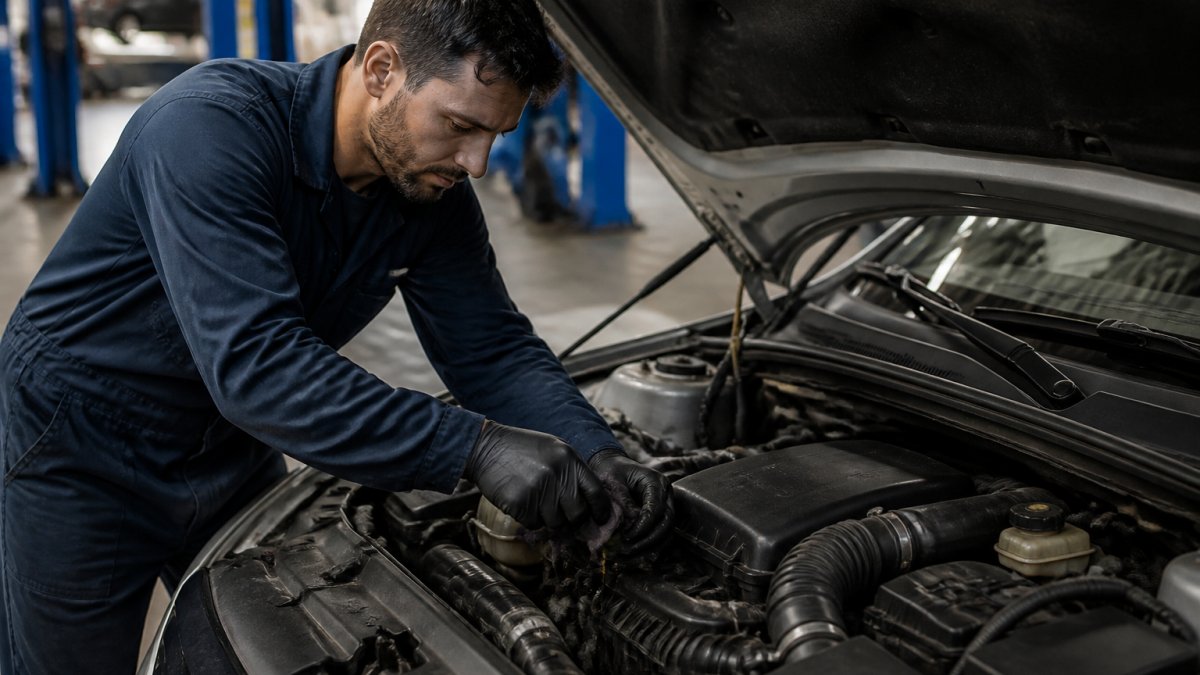
Preventative maintenance for daily commuters is the difference between a reliable ride and an expensive breakdown, requiring more frequent attention because daily driving accelerates engine wear, fluid degradation, tire pressure changes, and battery drain. Monthly checks of oil, coolant, brakes, tires, and battery take 15 minutes and catch problems before they become costly repairs.
- Oil changes happen every 5,000 to 10,000 miles depending on oil type, with synthetic oil extending intervals longer than conventional.
- Tire rotations should occur every 5,000 to 7,000 miles to ensure even wear and maintain handling.
- Most car batteries last 3 to 5 years and should be replaced proactively if older than 4 years.
- Transmission fluid replacement at 60,000 miles prevents overheating and ensures smooth shifting in automatic vehicles.
- A broken timing belt can cause catastrophic engine damage, requiring inspection at 60,000 to 100,000 miles.
Table of Contents
- Why Preventative Maintenance Matters for Daily Commuters
- Daily Driver Maintenance Checklist: What to Check Every Month
- How to Tell if a Car Battery Is Failing Before You’re Stranded
- Car Maintenance Schedule by Mileage: When to Service Each System
- Pre-Trip Vehicle Inspection Checklist for Safe Commutes
- Common Maintenance Mistakes Daily Commuters Make
- When to Take Your Car to a Professional Mechanic
- Frequently Asked Questions
Why Preventative Maintenance Matters for Daily Commuters
Preventative maintenance for daily commuters isn’t optional, it’s the difference between a reliable ride and an expensive breakdown.
Daily commuters in Powder Springs depend on their vehicles to get to work, pick up kids, and handle life’s unpredictable moments.
The real problem most drivers face isn’t ignorance, it’s procrastination.
Preventative maintenance for daily commuters works differently than occasional driving. Your vehicle needs more frequent attention because it’s working harder, so oil changes, fluid checks, and tire rotations happen on tighter schedules.
Track your maintenance schedule in your phone calendar or use a reminder app. Set notifications for oil changes, tire rotations, and seasonal inspections. Most drivers skip maintenance simply because they forget, not because they don’t care.
Daily Driver Maintenance Checklist: What to Check Every Month
Monthly checks take 15 minutes and catch problems before they become expensive.
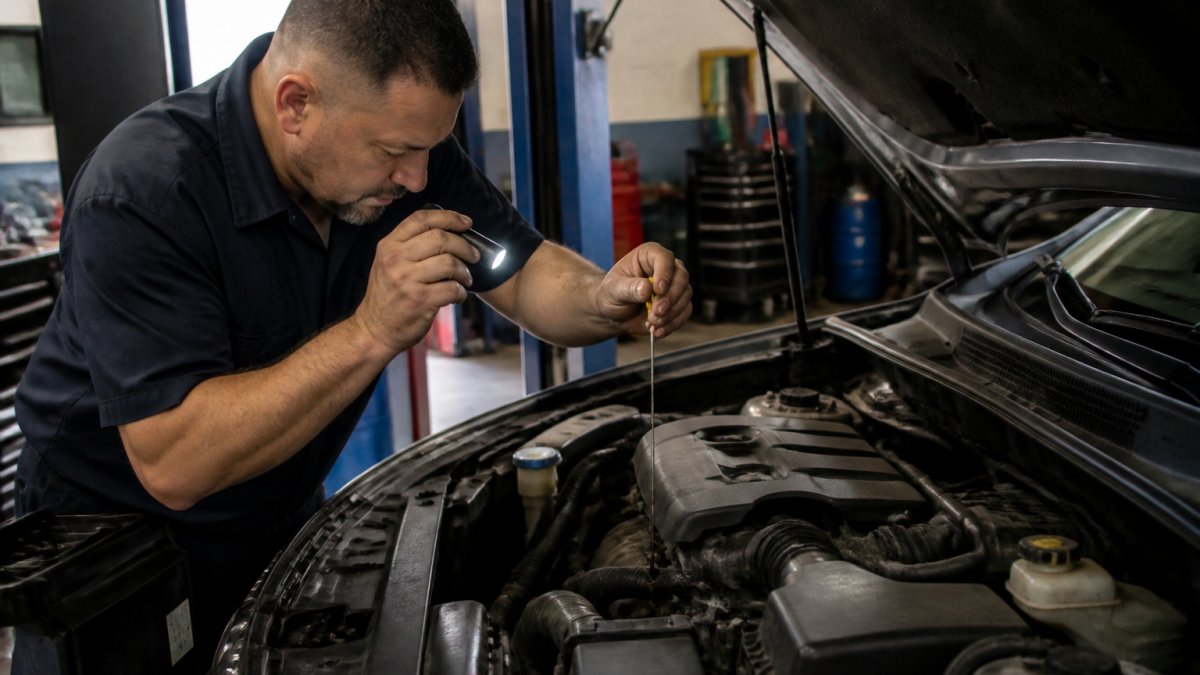
Engine oil and filter: Pull the dipstick, wipe it clean, reinsert it fully, then check the level.
Coolant level: Look at the coolant reservoir (usually a translucent plastic tank).
Brake fluid: The brake fluid reservoir is typically near the back of the engine bay.
Power steering fluid: Check the level when the engine is cold.
Windshield washer fluid: This is the easiest check.
Tire pressure and tread: Use a tire pressure gauge (under $10 at any auto parts store) to check all four tires plus the spare. Pressure should match the number on the driver’s door jamb, not the sidewall; underinflated tires wear faster and reduce fuel economy. For tread depth, use the penny test: insert a penny upside-down into the tread, and if you can see the top of Lincoln’s head, your tires are too worn.
Battery terminals: Look for corrosion (white, blue, or green crusty buildup).
Lights: Turn on headlights, fog lights, brake lights, and turn signals.
The car maintenance services available in Powder Springs can handle more complex checks, but these monthly items are tasks any driver can manage.
How to Tell if a Car Battery Is Failing Before You’re Stranded
A dead battery is one of the most common reasons drivers call for roadside assistance.
Slow engine cranking: This is the earliest and most reliable warning sign.
Rotten egg smell near the battery: This sulfur smell indicates the battery is leaking acid or venting hydrogen gas. This is dangerous and requires immediate replacement.
Battery warning light on the dashboard: Modern vehicles have a battery symbol on the dashboard. If it illuminates while driving, the alternator isn’t charging the battery properly.
Age: Most car batteries last 3-5 years. If yours is older than 4 years, consider replacing it proactively, even if it seems fine. Cold weather accelerates battery failure, so winter is when most batteries die.
Never ignore a battery that won’t hold a charge. A dead battery can leave you stranded in dangerous situations, on a highway shoulder, in an empty parking lot at night, or miles from help. Replace it as soon as you notice warning signs.
Car Maintenance Schedule by Mileage: When to Service Each System
Preventative maintenance for daily commuters follows mileage milestones, not just time: a driver who puts 20,000 miles per year needs service sooner than someone who drives 10,000 miles annually.
First 15,000 miles: Establishing good habits
Your first oil change typically happens at 5,000 to 10,000 miles, depending on your vehicle and oil type. Synthetic oil extends intervals to 10,000 miles or more; conventional oil needs changing every 5,000 miles. Check your owner’s manual for the exact recommendation.
At 15,000 miles, rotate your tires to ensure even wear, since uneven wear reduces tire life and can affect handling. Most vehicles need rotation every 5,000 to 7,000 miles.
Inspect your brakes, suspension, and steering components. Listen for squeaks, clunks, or grinding and feel for vibrations in the steering wheel or brake pedal, early signs of wear a professional should evaluate.
30,000 to 60,000 miles: Fluid and filter replacements
Your second oil change happens at 30,000 miles (or sooner, depending on oil type). Continue rotating tires every 5,000 to 7,000 miles.
At 30,000 miles, replace your engine air filter if it looks dirty, since a clogged filter reduces fuel economy and performance.
At 60,000 miles, consider replacing your transmission fluid. Automatics rely on clean fluid to shift smoothly and prevent overheating, and manuals also benefit, though intervals vary. Check your owner’s manual for service intervals.
Inspect your coolant. If it’s been more than two years or 30,000 miles since the last flush, consider a coolant exchange.
Beyond 100,000 miles: Major component inspections
At 100,000 miles, your vehicle has earned major inspections. Suspension components like ball joints, tie rods, and bushings wear out.
Brake fluid should be flushed every two years or 30,000 miles, whichever comes first. It absorbs moisture from the air, which lowers its boiling point and reduces braking effectiveness; fresh fluid restores braking performance.
Your transmission fluid has been working for 100,000 miles. If you haven’t flushed it yet, this is the time. Transmission repairs are among the most expensive vehicle repairs, preventative fluid changes are cheap insurance.
Inspect your timing belt or timing chain. Many vehicles have timing belts that need replacement at 60,000 to 100,000 miles. A broken timing belt can cause catastrophic engine damage.
Daily commuters should service their vehicles according to these mileage milestones to prevent major failures.
| Service | Mileage | Action |
|---|---|---|
| Oil change | 5,000-10,000 miles | Replace engine oil and filter |
| Tire rotation | 5,000-7,000 miles | Rotate tires for even wear |
| Engine air filter | 30,000 miles | Replace if visibly dirty |
| Transmission fluid | 60,000 miles | Consider replacement for automatics |
| Coolant exchange | 30,000 miles or 2 years | Replace old coolant |
| Brake fluid flush | 30,000 miles or 2 years | Replace contaminated fluid |
| Timing belt inspection | 60,000-100,000 miles | Inspect for wear or replace |
| Suspension inspection | 100,000 miles | Inspect ball joints and bushings |
Pre-Trip Vehicle Inspection Checklist for Safe Commutes
Before every commute, perform a 5-minute walk-around inspection.
Exterior: Walk around your vehicle and look for new dents, cracks, or damage.
Tires: Visually inspect tires for damage, bulges, or uneven wear.
Windows and mirrors: Clean all windows and mirrors. Visibility is critical for safe commuting.
Brakes: Before pulling out of your driveway, test your brakes in a safe area.
Steering: Turn the steering wheel fully left and right. It should move smoothly without grinding, clicking, or excessive resistance.
Engine start: Listen to the engine as it starts. It should crank quickly and idle smoothly.
Dashboard lights: Check the dashboard for warning lights.
Common Maintenance Mistakes Daily Commuters Make
Most drivers mean well but fall into patterns that damage their vehicles.
Skipping oil changes: This is the single most damaging mistake.
Letting tire pressure drop: Underinflated tires wear faster, reduce fuel economy, and can overheat and fail at highway speeds. Check tire pressure monthly.
Postponing brake service: Brakes are safety equipment. Worn brake pads damage rotors, which are more expensive to replace. Brake fluid contamination reduces stopping power.
Driving with low fluid levels: Running low on oil, coolant, or transmission fluid causes overheating and component failure. Check fluids monthly.
The most expensive maintenance is the kind you skip. A $50 fluid top-off prevents a $5,000 engine failure. A $100 brake inspection prevents a $1,000 rotor replacement. Preventative maintenance for daily commuters is always cheaper than reactive repairs.
When to Take Your Car to a Professional Mechanic
Some maintenance you can handle yourself. Some requires professional equipment and expertise.
Professional-only tasks: Transmission service, brake work, suspension repairs, timing belt replacement, coolant flushes, and electrical diagnostics require specialized equipment and training. A mistake here can damage your vehicle or compromise safety.
Warning signs you need professional help immediately:
- Brake pedal feels soft, spongy, or goes to the floor
- Steering wheel is hard to turn or makes grinding noises
- Engine overheating (temperature gauge in the red zone)
- Transmission slipping (engine revving but vehicle not accelerating)
- Fluid leaks (oil, coolant, transmission fluid, or brake fluid pooling under the vehicle)
- Check engine light that doesn’t go away after a day of driving
- Unusual vibrations in the steering wheel, brake pedal, or chassis
When you need professional help, choose a shop with certified mechanics who stand behind their work. The services available at Powder Spring BLT in Powder Springs include engine diagnostics, fluid services, brake inspections, and suspension work. If you’re ready to schedule maintenance, get a quote for the service your vehicle needs.
A trusted mechanic becomes an extension of your preventative maintenance routine, catching problems you’d miss and performing work that requires specialized equipment. The relationship saves time, money, and stress.
Preventative maintenance for daily commuters in Powder Springs is the foundation of vehicle reliability. A consistent routine of monthly checks, mileage-based service, and professional inspections prevents the majority of breakdowns.
Frequently Asked Questions
What preventative maintenance should I do on my car regularly?
Check your oil level and top up if needed, inspect tire pressure and tread depth monthly, test all lights and wipers, monitor fluid levels (coolant, brake fluid, power steering fluid), and listen for unusual noises. Follow your owner’s manual for manufacturer-recommended intervals. Most daily commuters benefit from monthly visual checks and professional servicing every 6 months or per your vehicle’s schedule. Regular preventative maintenance for daily commuters catches small issues before they become expensive repairs.
How can I tell if my car battery is failing?
Watch for slow engine cranking, dim headlights or interior lights, clicking sounds when you turn the key, or a swollen or cracked battery case. If your car struggles to start on cold mornings or you notice a sulfur smell near the battery, these are warning signs. Most car batteries last 3-5 years; if yours is older and showing these symptoms, have a mechanic test it. Catching a failing battery early prevents being stranded and damaging your alternator.
How often should I follow a car maintenance schedule by mileage?
Your owner’s manual specifies the exact intervals; most vehicles require oil changes every 5,000-7,500 miles, tire rotations every 6,000-8,000 miles, and major inspections at 30,000, 60,000, and 100,000 miles. Some modern vehicles use synthetic oil and can go longer between changes. Stick to these milestones regardless of how the car feels, preventative maintenance by mileage prevents hidden wear. If you’re unsure, a certified mechanic can review your specific vehicle’s maintenance schedule and advise you.
What should I check before a daily commute?
Use a pre-trip vehicle inspection checklist: verify tire pressure and condition, check that all lights work (headlights, brake lights, turn signals), test your windshield wipers and washer fluid, confirm your mirrors are adjusted, and listen for any unusual engine sounds. Check your fuel level and brake responsiveness. These quick checks take 5 minutes and catch problems before they strand you on your commute. If anything feels wrong, have a mechanic inspect it before you drive.
How do I know if I need professional maintenance or if I can handle it myself?
Simple tasks like checking fluids, replacing air filters, or topping off washer fluid are safe DIY work. However, brake service, transmission fluid changes, suspension work, electrical diagnostics, and engine repairs require professional equipment and expertise. If you’re uncertain, err on the side of professional service, mistakes can compromise safety or void warranties. A certified mechanic can diagnose issues accurately and ensure repairs last.
What’s the difference between preventative and reactive maintenance?
Preventative maintenance means servicing your vehicle on a schedule to stop problems before they start, oil changes, filter replacements, inspections. Reactive maintenance happens after something breaks, and it’s almost always more expensive and leaves you stranded. Organizations that rely more on preventative maintenance report significantly less unplanned downtime. For daily commuters, preventative maintenance keeps you reliable and costs far less than emergency repairs.

Related Posts
Best Ways to Maintain Car Safety: 2026 Guide
-
Posted by
admin
Learn the best ways to maintain car safety with our 2026 guide. Cover batteries, brakes, tires, and essential maintenance to keep your vehicle reliable.