
Blog
Are Your Auto Parts Poor Quality? 7 Warning Signs

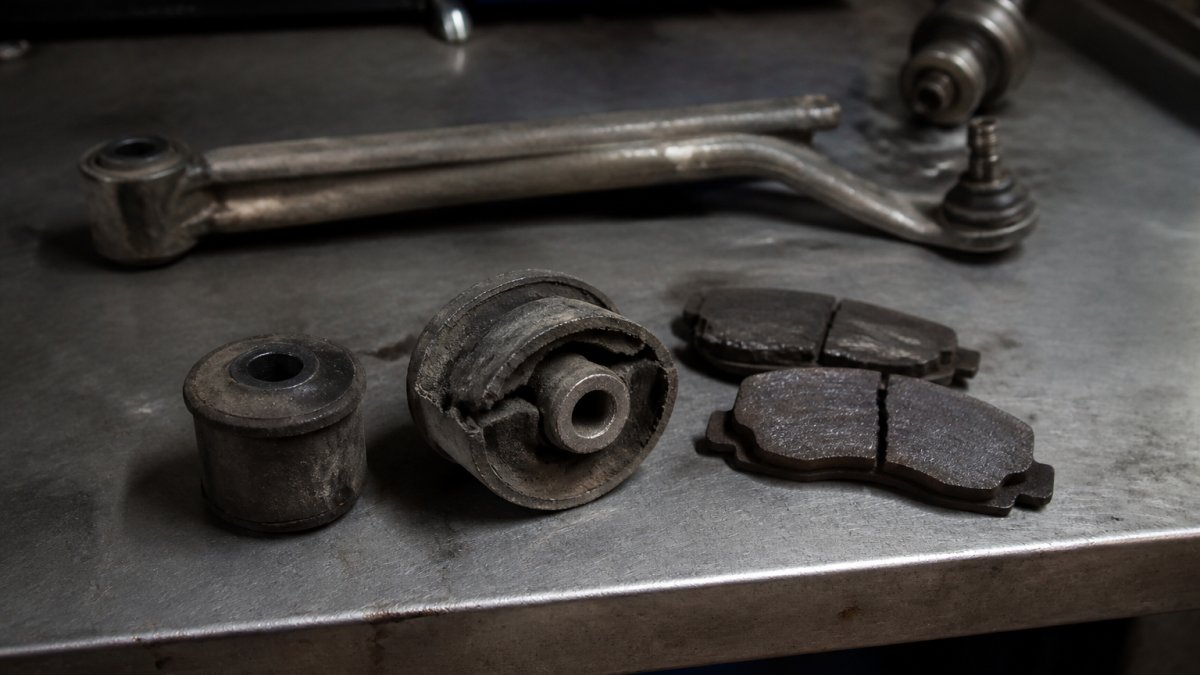
Last Updated: November 1, 2026
Quick Summary
The signs of poor quality auto parts include warning lights or new noises right after a repair, gaps and forced bolts during fitment, uneven tire wear, and counterfeit clues like prices far below other quotes or misspelled packaging. Catching these defective auto parts symptoms early saves you from a bigger repair later.
- 53% of aftermarket professionals report growing demand for lower-cost parts, per AAPEX’s 2026 survey.
- Aftermarket crash parts averaged 27% less than OEM parts, according to R Street Institute’s analysis.
- Ask whether a replacement part warranty covers labor as well as the part, and who honors it.
- Stop driving if a failed part affects brakes, steering, or suspension, then document receipt and part number.
- Counterfeit brakes and steering parts are the most dangerous, since a fake pad can fail in a panic stop.
Table of Contents
- Why Poor Quality Auto Parts Slip Through
- Defective Auto Parts Symptoms You Should Not Ignore
- Counterfeit Auto Parts Warning Signs
- OEM vs Aftermarket Parts: What the Price Gap Really Means
- How a Replacement Part Warranty Protects You
- What to Do When a Replacement Part Fails
- Get a Second Opinion on Suspicious Parts in Powder Springs
- Frequently Asked Questions
Why Poor Quality Auto Parts Slip Through
The aftermarket is booming, and that’s exactly the problem. According to AAPEX’s 2026 State of the Automotive Aftermarket Survey, 53% of aftermarket professionals say they’ve seen growing demand for lower-cost parts, while quality remains a concern. Cheap parts are everywhere, and the signs of poor quality auto parts don’t always show up on day one.
Here’s what most drivers miss: a bad part rarely announces itself. It fades, rattles, or wears out early. Below, we’ll show you the warning signs, the fitment clues, and how to tell a good deal from a bad one.
Defective Auto Parts Symptoms You Should Not Ignore
Defective auto parts symptoms usually start small: a new noise, a slight vibration, a warning light that comes and goes. Catching these early saves you from a bigger repair later.
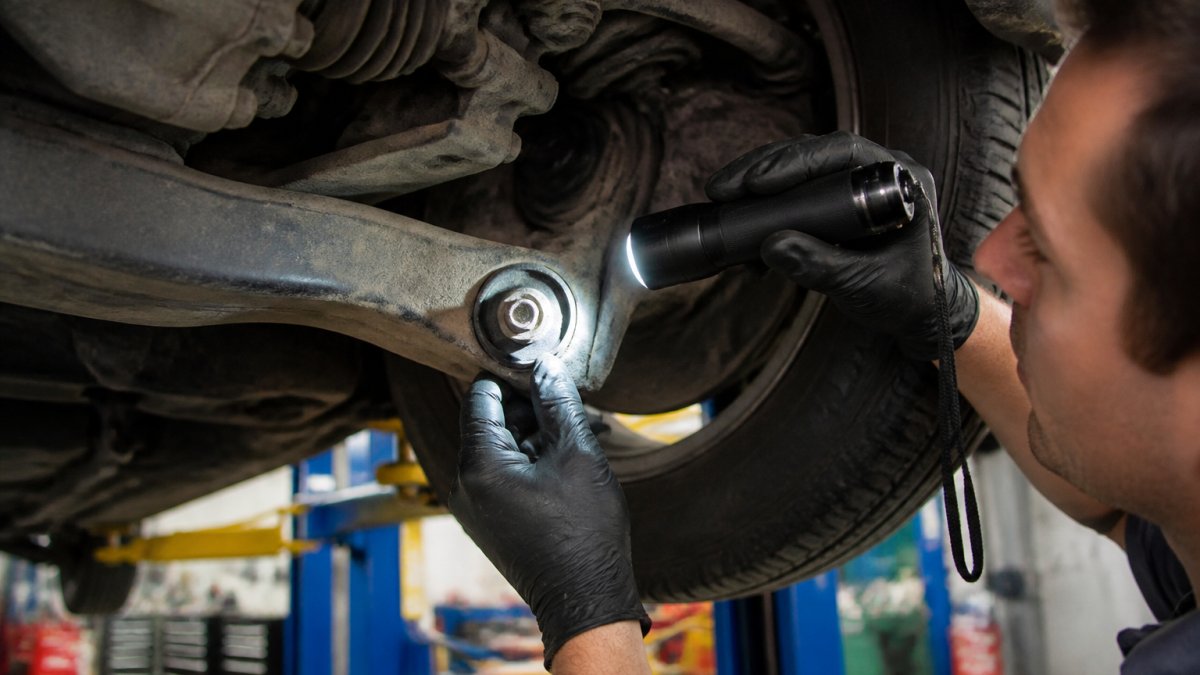
Warning Lights and Odd Noises
A check engine light right after a repair is a red flag. So is a grinding, clunking, or whining sound that wasn’t there before. If you’re seeing warning lights and want to understand what they mean, read what comprehensive car diagnostics reveal about your vehicle in 2026.
Fitment and Wear Problems
Parts should fit like they were made for your car. Gaps, forced bolts, or a part that needed “adjusting” to install point to poor tolerances. Uneven tire wear or a shaky steering wheel after suspension work are classic fitment clues.
Counterfeit Auto Parts Warning Signs
Counterfeit auto parts warning signs are easy to spot once you know them. Fakes copy the box, not the engineering.
- Price far below every other quote
- Flimsy or misspelled packaging
- No brand name, part number, or country of origin
- A seller who won’t show a receipt or warranty
- Missing certification marks on safety parts
Counterfeit brakes and steering parts are the most dangerous. A fake pad can fail in a panic stop. Buy from a shop that stands behind what it installs.
OEM vs Aftermarket Parts: What the Price Gap Really Means
The OEM vs aftermarket parts debate is mostly about price, but price alone doesn’t tell you quality. According to R Street Institute’s analysis of aftermarket crash parts, aftermarket crash parts averaged 27% less than OEM parts. That’s a real saving, not proof of poor quality.
The catch? Cheap aftermarket parts vary wildly. A quality aftermarket part can match OEM performance. A no-name bargain part often won’t. The National Highway Traffic Safety Administration notes it hasn’t issued rules restricting aftermarket parts in repairs, so the burden of choosing well falls on you and your shop.
| Part Type | Typical Price | Quality Risk | Best For |
|---|---|---|---|
| OEM | Highest | Low | Warranty cars, safety parts |
| Quality aftermarket | Moderate | Low to moderate | Most everyday repairs |
| Bargain aftermarket | Lowest | High | Rarely worth it |
How a Replacement Part Warranty Protects You
A replacement part warranty is your safety net when a part fails early. It should cover the part and, ideally, the labor to replace it.
Ask three questions before any repair:
- What does the warranty cover, part only or labor too?
- How long does it last?
- Who honors it if the shop closes?
A shop that dodges these questions is telling you something. If you want to judge whether a guarantee is trustworthy, see how to judge an auto repair shop’s service guarantee.
What to Do When a Replacement Part Fails
When a replacement part fails, stop driving if it affects brakes, steering, or suspension. Then document everything: the receipt, the part number, and the date it failed.
Call the shop that did the work. A good shop will inspect it and honor the warranty. If a new part keeps failing, the real problem may be the install or an underlying issue. To understand why repairs fail early, read why car repairs fail early and how to prevent it.
Get a Second Opinion on Suspicious Parts in Powder Springs
If something feels off, get a second opinion before you spend more. Drivers searching for “auto repair near me” in Powder Springs deserve a straight answer, not a sales pitch.
Our certified mechanics inspect suspect parts and explain what they find. If your engine or suspension needs a closer look, review our engine services. Ready to book? Reach out through our contact page and we’ll get you scheduled.
Frequently Asked Questions
What are the signs of a poor-quality auto part?
Watch for parts that fail well before their expected service life, uneven wear on one side of a component, warning lights that return days after a repair, or parts that never fit quite right. Demand for lower-cost parts has grown while quality remains a concern across the industry. Keep your repair invoices and compare failure dates against the part’s stated lifespan.
Can cheap auto parts cause a check engine light?
Yes. Sensors, ignition coils, and catalytic converters that fall outside the vehicle’s original specifications can trigger the same codes the failed part produced. A cheap oxygen sensor with an incorrect voltage range, for example, will set a code even though it is new. If a check engine light returns within a few hundred miles of a repair, have the code read again and ask whether the installed part meets the manufacturer’s specification.
Are aftermarket auto parts lower quality than OEM parts?
Not automatically. Price alone does not prove quality either way, so the deciding factor is the specific part’s certification and warranty, not the label on the box.
What should I do if a replacement part fails soon after installation?
Bring the vehicle back to the shop that installed it and ask for the replacement part warranty terms in writing. A legitimate warranty covers the part and often the labor for a set period. If the shop will not honor it, get a written diagnosis from a second certified mechanic documenting the failure, then dispute the charge. Keep your invoice, the part number, and photos of the failed component.
Not sure whether that new part is the problem or just a symptom? Powder Spring BLT offers precise diagnostics, high-quality replacement parts, and clear communication so you know exactly what you’re paying for. Get started with Powder Spring BLT and keep your vehicle running safely on Powder Springs roads.
