
Blog
What Comprehensive Car Diagnostics Reveal About Your Vehicle in 2026

Last Updated: October 26, 2026
Quick Summary
Comprehensive car diagnostics is the process of using specialized equipment to scan your vehicle’s computer systems and identify mechanical, electrical, or performance issues before they become expensive problems. Most diagnostic tests take 30-60 minutes and read fault codes that translate into actionable repair information.
- OBD-II diagnostic scans read fault codes from every vehicle sold in the United States since 1996
- Check engine lights often indicate minor issues like sensor glitches or loose gas caps rather than serious engine failure
- Transmission diagnostics typically require 60-120 minutes and include fluid condition and shift pattern testing
- Diagnostic cost varies based on vehicle complexity and scope, with the U.S. automotive repair industry averaging $586 across all services
Table of Contents
- What Comprehensive Car Diagnostics Reveal
- Why Is My Check Engine Light On but Car Runs Fine
- Understanding OBD-II Diagnostic Scans
- Car Diagnostic Test Cost and What Affects Pricing
- Signs of a Bad Car Repair You Should Never Ignore
- How Long Comprehensive Diagnostics Take
- Getting Your Vehicle Diagnosed by Certified Mechanics
- Frequently Asked Questions
What Comprehensive Car Diagnostics Reveal
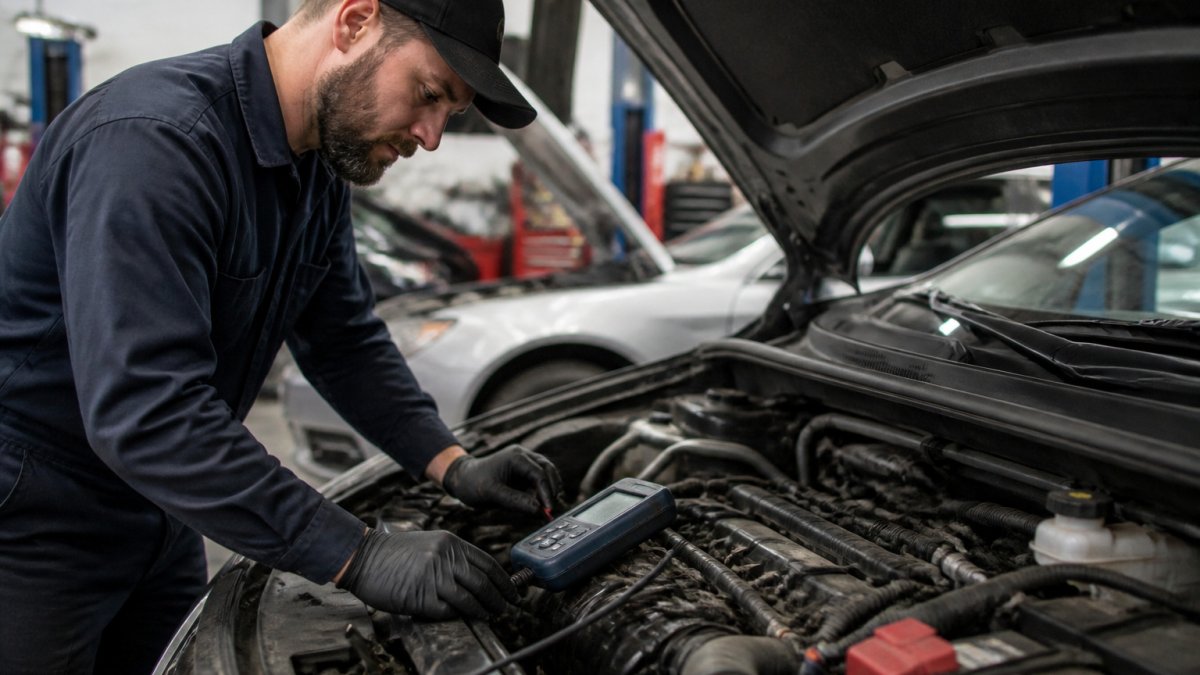
Comprehensive car diagnostics is the process of using specialized equipment to scan your vehicle’s computer systems and identify mechanical, electrical, or performance issues before they become expensive problems. Modern vehicles generate constant data about engine performance, emissions, transmission function, and dozens of other systems. A diagnostic scan reads this data and translates it into actionable information about what needs repair.
At Powder Spring BLT, we use advanced diagnostic equipment to give you a complete picture of your vehicle’s health. Most vehicle diagnostic tests can be completed in about 30-60 minutes, according to Firestone Complete Auto Care guidance on vehicle diagnostic testing. During that time, our certified mechanics connect to your vehicle’s onboard diagnostic system and pull detailed reports about any faults or concerns.
Comprehensive car diagnostics can help identify problems. For vehicle owners in Powder Springs, diagnostics are relevant to vehicle reliability and safety.
A diagnostic scan can provide information about vehicle faults.
Why Is My Check Engine Light On but Car Runs Fine
Your check engine light comes on when your vehicle’s onboard diagnostic system detects a fault code. That fault doesn’t always mean your engine is about to fail. Sometimes it’s a minor sensor glitch. Sometimes it’s a loose gas cap. Sometimes it’s a real problem that just hasn’t affected drivability yet.
The most common reason for a check engine light with no obvious symptoms is a faulty oxygen sensor or catalytic converter issue. These components affect emissions and fuel efficiency before they impact how your car feels to drive. A study on automotive repair service processes examined how diagnostic modeling helps repair shops identify root causes accurately, showing that proper diagnostics separate minor sensor faults from serious engine problems.
At Powder Spring BLT, we provide precise diagnostics and transparent communication.
Understanding OBD-II Diagnostic Scans
OBD-II stands for On-Board Diagnostic II, the standardized system that every vehicle sold in the United States since 1996 must have. This system continuously monitors your engine, transmission, emissions systems, and other critical components. When something falls outside normal operating parameters, the system stores a fault code.
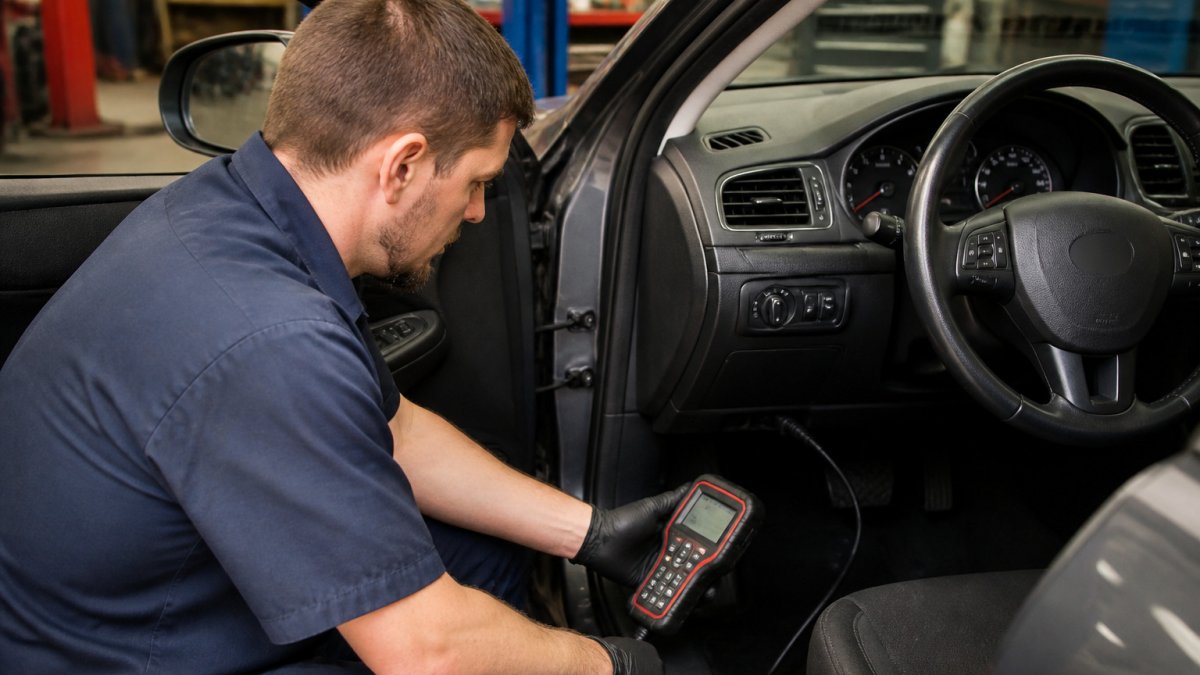
An OBD-II diagnostic scan reads fault codes from a vehicle’s computer.
OBD-II codes follow a standard format that mechanics across the country understand:
- P codes = Powertrain (engine, transmission, drivetrain)
- C codes = Chassis (brakes, suspension, steering)
- B codes = Body (lights, windows, seats)
- U codes = Network (communication between systems)
Powder Spring BLT provides precise diagnostics. A single code might point to multiple possible causes.
Car Diagnostic Test Cost and What Affects Pricing
The cost of a comprehensive car diagnostic test varies based on your vehicle’s complexity, the diagnostic equipment needed, and how much testing is required to pinpoint the problem. The U.S. automotive repair industry data reports an average invoice of $586 across all repair services, though diagnostics alone typically cost less than that depending on scope.
For current pricing on comprehensive car diagnostics, get a quote.
Signs of a Bad Car Repair You Should Never Ignore
A repair that does not resolve a problem can be frustrating. Here are some signs to watch for:
The same problem comes back within weeks, If you had a repair done and the same symptom returns shortly after, the repair may not have resolved it.
New problems appear after a repair, If a new problem appears after a repair, ask the shop to explain what happened.
You weren’t given a clear explanation, If a shop can’t explain what it found, what it fixed, and why, ask for clarification.
The repair cost was significantly higher than quoted, Ask the shop to explain any difference between the quote and the final cost.
Your vehicle’s performance didn’t improve, If the original symptom remains after a repair, contact the shop to discuss it.
How Long Comprehensive Diagnostics Take
Most vehicle diagnostic tests can be completed in about 30-60 minutes, according to Firestone’s published guidance on vehicle diagnostic testing. That timeframe covers pulling codes, scanning major systems, and giving you initial findings.
However, the total time depends on what we find:
| Scenario | Typical Duration | What It Includes |
|---|---|---|
| Basic code pull and review | 15-30 minutes | Read stored fault codes, initial assessment |
| Comprehensive engine diagnostics | 45-90 minutes | Multiple systems, sensor testing, live data review |
| Transmission diagnostics | 60-120 minutes | Fluid condition, shift patterns, solenoid testing |
| Electrical system diagnostics | 30-60 minutes | Battery, alternator, wiring, module communication |
If we find a problem that requires deeper investigation, we’ll let you know upfront. Some issues need extended testing or component-level diagnosis, which takes additional time.
For vehicle owners in Powder Springs who need diagnostics performed quickly, we prioritize efficiency without cutting corners. We’ll give you a realistic time estimate when you call, so you can plan your day accordingly.
Getting Your Vehicle Diagnosed by Certified Mechanics
Powder Spring BLT’s certified auto mechanics have years of experience. Contact us to schedule your diagnostic appointment. We are committed to transparent communication and reliable, long-lasting solutions.
Our certified mechanics use modern equipment and high-quality parts to deliver precise diagnostics and reliable repairs.
Frequently Asked Questions
What does a comprehensive car diagnostic include?
A comprehensive car diagnostic uses equipment to help identify vehicle issues. Powder Spring BLT provides precise diagnostics.
Can a car run normally with the check engine light on?
A check engine light does not necessarily mean your car will stop running. A diagnostic evaluation can help investigate the issue.
How long does a comprehensive car diagnostic take?
The time required for a vehicle diagnostic can vary. Contact Powder Spring BLT for information about your vehicle’s needs.
What are signs of a bad car repair I should watch for?
If a problem returns after a repair or you have questions about the work, ask the shop to explain what was done.
When your check engine light comes on or your vehicle isn’t running right, you need answers fast. Comprehensive car diagnostics reveal exactly what’s wrong so you can make informed repair decisions. Powder Spring BLT offers expert diagnostic services using advanced equipment and certified mechanics who understand your vehicle’s systems inside and out. Visit our engine services page to learn more about how we can help keep your vehicle in top shape.
