
Blog
Auto Repair Shops With Transparent Pricing: 2026 Guide
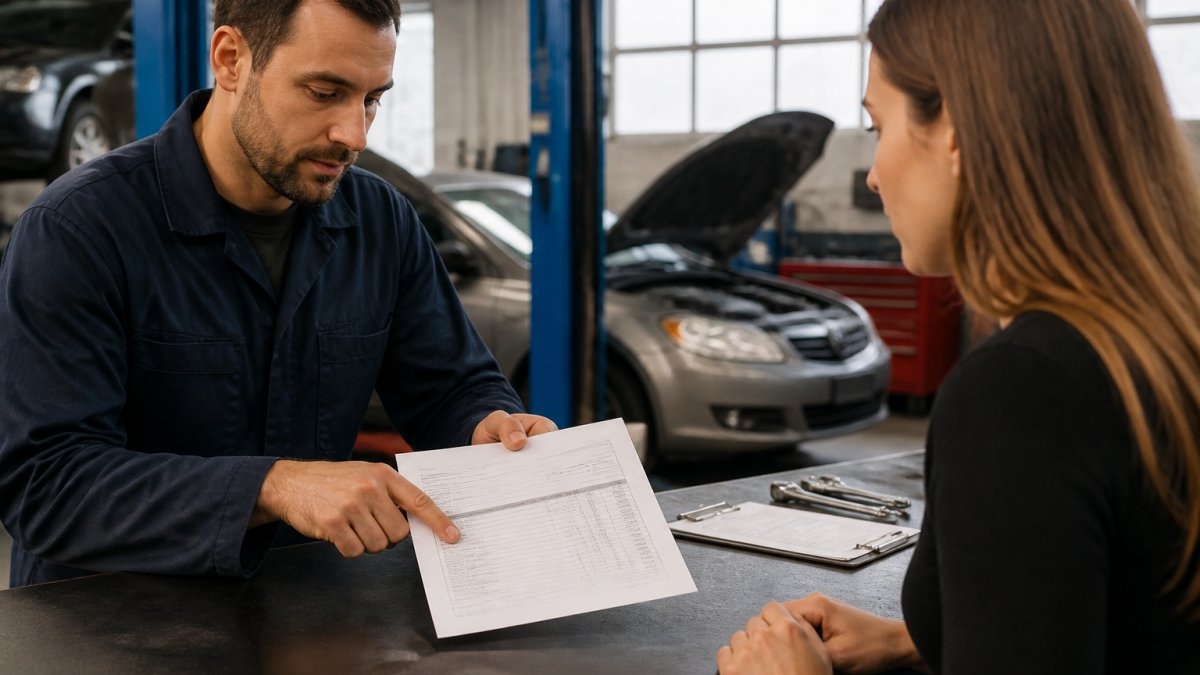
Table of Contents
- Why Transparent Pricing Matters in Auto Repair
- What Should a Written Car Repair Estimate Include
- How to Compare Mechanic Quotes From Different Shops
- Understanding Auto Repair Diagnostic Fees
- Questions to Ask an Auto Mechanic Before Approving Work
- Red Flags: What to Avoid When Choosing a Repair Shop
- How to Find an Auto Repair Shop With Transparent Pricing
- Frequently Asked Questions
Last Updated: October 21, 2026
Why Transparent Pricing Matters in Auto Repair
When you take your car to a repair shop, you’re making a financial decision based on incomplete information. You don’t know what’s wrong yet, you can’t predict what parts will cost, and you’re trusting someone else’s judgment about what work is actually necessary. This uncertainty is exactly why auto repair shop transparent pricing matters so much.
Transparent pricing removes the guesswork. It means you get a detailed written estimate before work begins, you understand what you’re paying for, and you know the final bill won’t blindside you. At Powder Spring BLT, we believe this clarity protects both the customer and the shop, it builds trust and prevents misunderstandings down the line.
The alternative is frustrating. You approve a $300 repair and walk out with a $600 bill because “additional issues came up.” You never know if the shop found legitimate problems or inflated the scope to increase revenue. That uncertainty is why many drivers in Powder Springs avoid independent shops altogether, defaulting to big chains they think are safer.
This guide covers what transparent pricing looks like, how to evaluate repair estimates, and how to find shops in Powder Springs that actually practice it.
What Should a Written Car Repair Estimate Include
A written estimate isn’t just a number on a piece of paper. It’s your contract with the shop, your protection against surprise charges and scope creep. The estimate should be detailed enough that you understand exactly what you’re approving and what the final bill should be.
Parts and Labor Breakdown
The estimate must separate parts from labor. This distinction matters because you can shop around for parts, and labor rates vary significantly between shops. A good estimate shows you the part name, the part cost, and the labor hours required to install it.
For example, instead of “brake service: $450,” you should see “brake pads (Akebono brand): $85, labor (2 hours @ $65/hr): $130, brake fluid flush: $120, shop supplies: $15.” This breakdown lets you verify the parts are reasonable quality and the labor rate is competitive. It also shows the shop isn’t hiding markup in vague line items.
The estimate should also specify whether parts are OEM (original equipment manufacturer), aftermarket, or rebuilt. OEM parts cost more but carry manufacturer backing. Aftermarket parts are cheaper and often just as good. Rebuilt parts are the budget option and carry some risk. The shop should tell you which they’re using and why.
Timeline and Warranty Information
The estimate must include how long the repair will take. Not just “3 days” but “ready by 2 PM Wednesday.” This matters if your car is your lifeline to work. Some shops offer loaner vehicles or shuttle service, that should be noted on the estimate too.
Warranty information is critical. What’s covered? For how long? Is it parts-only or parts and labor? A reputable shop guarantees their work because they stand behind it. That guarantee should be in writing on your estimate. If the shop won’t commit to a warranty, that’s a red flag.
How to Compare Mechanic Quotes From Different Shops
Getting multiple quotes is essential, but comparing them is harder than it looks. Shops use different wording, include different services, and price parts differently. Here’s how to make the comparison meaningful.
First, get at least three written estimates for the same repair. Make sure each estimate describes the same work, same parts, same labor scope, same warranty.
Create a simple comparison table. List each shop’s name, total price, parts cost, labor cost, timeline, and warranty. Line them up side by side. The cheapest option isn’t always the best, you’re looking for the best value.
Ask why prices differ. If one shop quotes $200 and another quotes $400 for the same brake job, there’s a reason. Maybe one is using cheaper parts. Maybe one is more efficient. Maybe one is overcharging. The only way to know is to ask.
AAA Approved Auto Repair Facility Locator provides a directory of shops that commit to written estimates and fair pricing policies. Their standard requires that final bills won’t exceed the estimate by more than 10% without your approval, a protection worth knowing about.
Understanding Auto Repair Diagnostic Fees
Many shops charge a diagnostic fee to find out what’s wrong with your car. This is legitimate, diagnosis takes time and equipment. But the amount and how it’s applied varies widely.
Some shops charge a flat fee ($50-$150 depending on the shop) just to run diagnostics. Others charge by the hour. Some waive the diagnostic fee if you approve the repair. Others apply it toward the repair cost. Some charge it regardless.
A transparent shop tells you upfront what the diagnostic fee is and whether it’ll be waived or credited if you proceed with repairs. A shop that won’t tell you the diagnostic cost before you drop off your car is hiding something.
The diagnostic fee itself isn’t unreasonable, mechanics need specialized equipment and training to identify problems. What matters is that you know the cost going in and understand what happens to that fee if you decide not to repair the car at that shop.
Questions to Ask an Auto Mechanic Before Approving Work
Before you sign off on any repair, ask these questions. The answers reveal whether the shop is being transparent or hiding something.
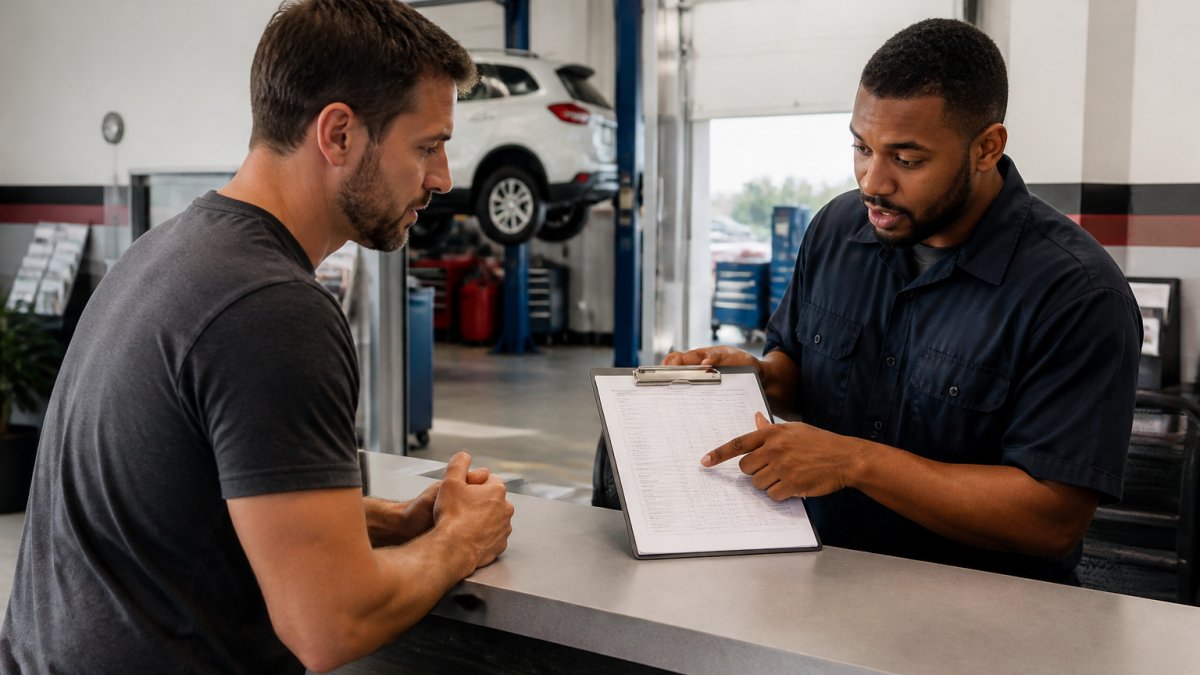
“What happens if I don’t approve this repair?” If it’s a safety issue, the shop should explain the risk. If it’s optional maintenance, they should say so clearly.
“Can you show me the problem?” For many repairs, the mechanic should be able to show you the worn part or the failed component. If they can’t or won’t, ask why.
“What’s your warranty on this work?” Get the specifics in writing. How long? What’s covered? If something fails, do you pay for the re-repair, or does the shop cover it?
“Is this the brand of part you’re using?” Confirm they’re using the parts specified in the estimate. Shops sometimes substitute cheaper alternatives without approval. That’s not transparent.
“What’s your payment policy if the repair costs more than the estimate?” Most shops won’t charge more than 10% over the estimate without calling you first.
Red Flags: What to Avoid When Choosing a Repair Shop
Some shops are deliberately opaque because opacity protects them from accountability. Here’s what to watch for.
No written estimate. If a shop won’t give you a written estimate before starting work, walk out.
Vague line items. “Repairs: $800” or “engine work: $1,200” tells you nothing. You don’t know what you’re paying for or whether the final bill is justified. Demand itemization.
Pressure to approve work immediately. “I need your approval right now or I can’t start” is a tactic to prevent you from thinking clearly or getting a second opinion.
Reluctance to explain pricing. If the mechanic gets irritated when you ask why something costs what it does, that’s a sign they know the price isn’t defensible. Transparent shops welcome questions.
No warranty or a warranty with impossible conditions. “We warranty this for 30 days if nothing else goes wrong and you don’t drive over 500 miles” is worthless. A real warranty covers the work performed, period.
Reviews that mention unexpected charges. One customer complaining about an overcharge might be an outlier. Multiple reviews mentioning surprise bills is a pattern. Read reviews carefully and look for this specific complaint.
How to Find an Auto Repair Shop With Transparent Pricing
Finding a transparent shop takes work, but it’s worth it. You’re looking for a shop that puts everything in writing, explains their reasoning, and stands behind their work.
Check for Certifications and Guarantees
Look for ASE (Automotive Service Excellence) certification. ASE-certified mechanics have passed rigorous exams and stay current with training. It’s not a guarantee of honesty, but it’s a sign of professionalism and competence.
AAA Approved shops meet specific standards for pricing transparency and customer protection. If a shop displays the AAA Approved seal, they’ve committed to written estimates and limits on how much the final bill can exceed the estimate.
Manufacturer certifications matter too. If you drive a Toyota, a Toyota-certified shop has specific training and access to genuine parts. This doesn’t guarantee transparency, but it shows commitment to your vehicle type.
A shop’s warranty is a window into their confidence. Powder Spring BLT guarantees long-lasting repairs because we use quality parts and skilled mechanics. When a shop is willing to stand behind their work with a real warranty, they’re signaling that they’re not cutting corners.
Request Detailed Written Estimates
Before you commit to any shop, ask for a written estimate. A good shop provides this without hesitation. The estimate should include:
- Each part needed, with brand and cost
- Labor hours and hourly rate
- Total parts cost and total labor cost
- Timeline for completion
- Warranty details
- What happens if the final bill exceeds the estimate
Compare estimates from at least three shops. Don’t just look at the total, look at the breakdown. Why is one shop’s labor cheaper? Are they using cheaper parts? Are they more efficient? The breakdown tells the real story.
RepairPal provides repair cost estimates for common services. Use this as a benchmark to see if your local shops’ quotes are in the reasonable range. If a shop is quoting significantly higher or lower than the national average, ask why.
Kelley Blue Book Auto Repair Pricing & Cost Estimates offers another free tool to check expected costs. These tools won’t tell you the exact price at your local shop, but they’ll give you a reality check on whether you’re being quoted fairly.
For drivers in Powder Springs looking for auto repair shop transparent pricing that handles all of this correctly, Powder Spring BLT delivers transparent communication from the first conversation.
Finding an auto repair shop with transparent pricing protects your wallet and your peace of mind. You deserve to know what you’re paying for before you approve the work. Powder Spring BLT makes this standard, detailed estimates, no surprises, and guaranteed work.
| Element | What It Should Include | Why It Matters |
|---|---|---|
| Written Estimate | Parts breakdown, labor hours, timeline, warranty | Protects you from surprise charges |
| Parts Specification | Brand, type (OEM/aftermarket), cost per part | Lets you verify quality and value |
| Labor Breakdown | Hours required, hourly rate, total labor cost | Shows the shop isn’t hiding markup |
| Warranty Details | Coverage period, what’s covered, parts vs. labor | Proves the shop stands behind their work |
| Timeline | Specific completion date and time | Helps you plan around downtime |
| Diagnostic Fee Policy | Amount, whether it’s waived or credited | Prevents unexpected charges upfront |
Frequently Asked Questions
How can I tell if an auto repair shop has transparent pricing?
A shop with transparent pricing provides written estimates before starting work, breaks down parts and labor costs separately, explains what each repair addresses, and clearly states any diagnostic fees upfront. They should also answer questions about pricing without hesitation and provide a final bill that matches or comes very close to the estimate. Shops that rush you or avoid detailed explanations are red flags.
What should I look for in a written car repair estimate?
A solid written estimate includes the vehicle’s year, make, and model; a detailed description of each repair needed; parts costs and labor hours itemized separately; the total cost; the timeline for completion; and warranty information on parts and labor. It should also note any diagnostic fees already charged or still pending. Never accept an estimate that’s vague or lacks these details.
Do auto repair shops charge a diagnostic fee, and is it refundable?
Many shops charge a diagnostic fee to identify what’s wrong with your vehicle, typically ranging from a small flat rate to an hourly labor charge. Some shops apply this fee toward your repair bill if you proceed with work; others keep it regardless. Always ask upfront whether the diagnostic fee is refundable or credited to repairs, and get this in writing before they begin any inspection.
How do I compare mechanic quotes from different shops?
Request written estimates from at least two or three shops for the same repair. Compare the itemized parts and labor costs, not just the total price. Check whether estimates include warranty coverage, timeline, and any additional fees. Factor in reputation and certifications when deciding.
Can an auto repair shop charge more than the estimate without my permission?
Under AAA Approved Auto Repair standards, shops should not exceed the estimate by more than 10% without contacting you first for approval. However, this varies by shop and state regulations. Always ask about this policy before work begins, and request written confirmation of any changes if unexpected issues emerge during repairs. A trustworthy shop will call you before exceeding the estimate.
Related Posts
How to Judge an Auto Repair Shop’s Service Guarantee
-
Posted by
admin
Before you approve any repair, check what each service guarantees cover, how long they last, and whether labor is included.
Independent Shop vs Chain Repair Pricing
-
Posted by
Compare independent shop and chain repair pricing. Learn what affects costs, how to evaluate estimates, and find the best value for your vehicle.

How to Find Reliable Local Mechanics: 2026 Guide
-
Posted by
Learn how to find reliable local mechanics with our 2026 guide. Check reviews, ask the right questions, and compare quotes with confidence.
7 Steps to Book Professional Car Repair Services Online
-
Posted by
Skip the hassle of booking car repair in Powder Springs. Learn the 7 steps to get an estimate and schedule service online with confidence.