
Blog
5 Signs You Need an Engine Diagnostic
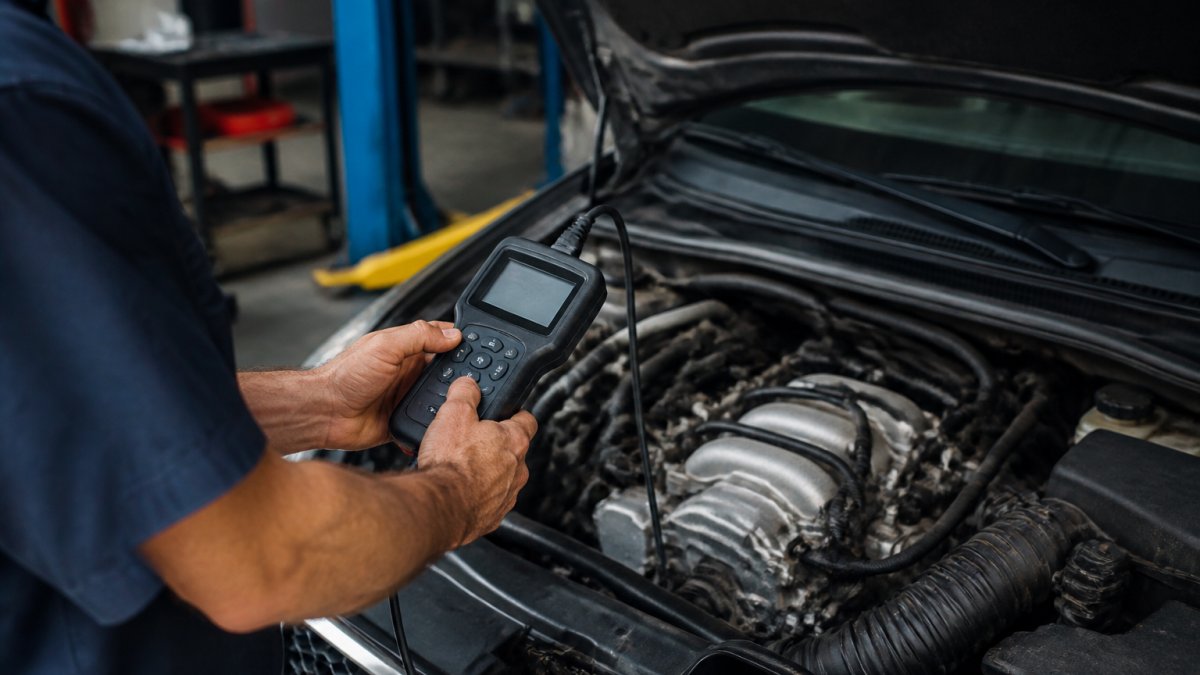
Table of Contents
- Why Engine Diagnostics Matter for Your Vehicle
- Sign 1: Check Engine Light Diagnosis Shows a Real Problem
- Sign 2: Understanding a Flashing Check Engine Light
- Sign 3: Rough Idle, Stalling, or Loss of Power
- Sign 4: Unusual Sounds or Smells from the Engine
- What an Engine Diagnostic Test Reveals
- Understanding Engine Diagnostic Cost and Next Steps
- Why Professional Diagnostics Save You Money
- Frequently Asked Questions
Last Updated: October 19, 2026
Why Engine Diagnostics Matter for Your Vehicle
An engine diagnostic is a computerized assessment that reads your vehicle’s internal systems to identify mechanical, electrical, or performance problems. Modern cars contain dozens of sensors that continuously monitor engine function, emissions, fuel efficiency, and transmission performance. When something goes wrong, these sensors trigger error codes that only a proper diagnostic scan can reveal.
The difference between guessing and knowing is everything. A driver might hear a strange noise and assume it’s serious. A shop might recommend expensive repairs that aren’t actually needed. An engine diagnostic test cuts through the uncertainty by pinpointing exactly what’s wrong, and what’s not. For vehicle owners in Powder Springs who depend on reliable transportation, this clarity saves both money and stress.
The investment in a proper diagnosis almost always pays for itself by avoiding wrong fixes.
Sign 1: Check Engine Light Diagnosis Shows a Real Problem
The check engine light appears on your dashboard for a reason. It doesn’t always mean your engine is failing, but it does mean your vehicle’s onboard diagnostic system has detected an issue worth investigating. The problem could be something minor, a loose gas cap, or something serious like a failing oxygen sensor or catalytic converter problem.
Here’s what matters: don’t ignore it. A check engine light diagnosis is the only way to know what’s actually happening. The light itself tells you nothing specific. Two vehicles with the same light could have completely different problems. One might need a $15 fix. The other might need a $1,500 repair.
The longer you drive with the check engine light on, the higher the risk of additional damage. A faulty oxygen sensor that triggers the light might seem harmless, but it can reduce fuel efficiency and strain your engine over time. In Powder Springs, where daily commutes matter, that inefficiency adds up quickly.
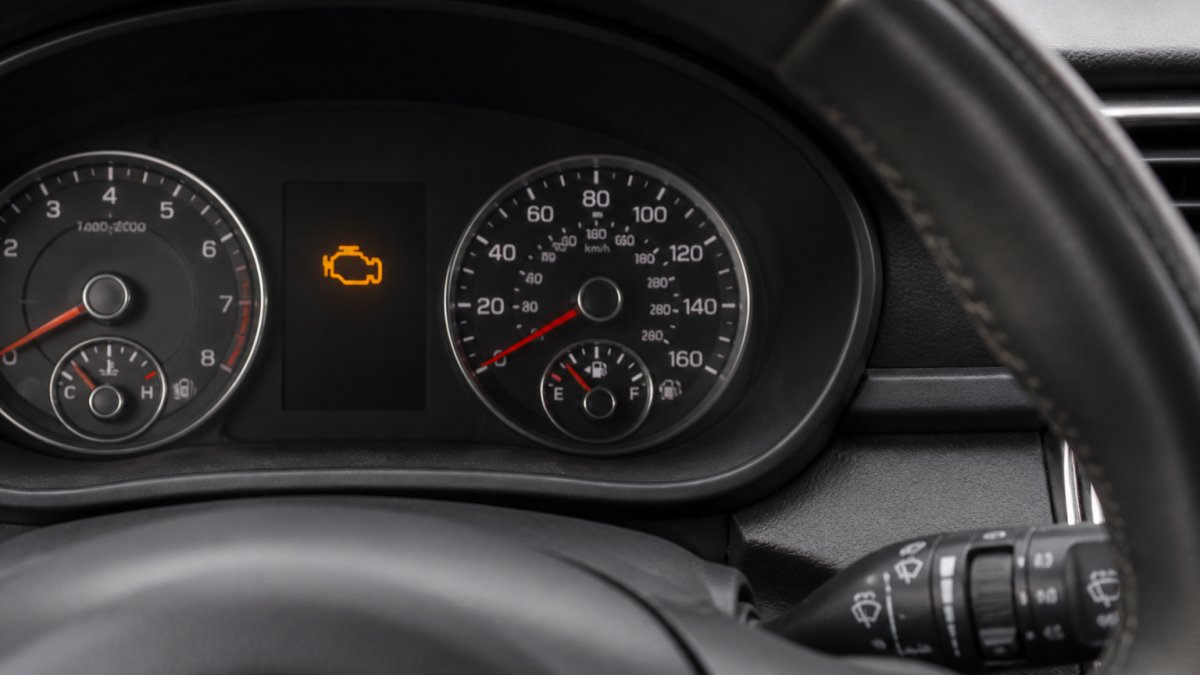
A proper diagnostic scan reads the specific error code stored in your vehicle’s computer. That code tells a trained mechanic exactly where to look. Without it, you’re working blind.
Sign 2: Understanding a Flashing Check Engine Light
A flashing check engine light is different from a steady one, and the difference matters. A steady light means your vehicle has detected a problem that should be addressed soon. A flashing light means your engine is misfiring, cylinders are failing to ignite fuel properly, and you’re causing damage right now.
When your check engine light is flashing, stop driving immediately. Pull over safely and turn off the engine. Continuing to drive with a flashing light can damage your catalytic converter, which is one of the most expensive components to replace. The flashing check engine light is your vehicle’s urgent warning system.
Misfires happen for several reasons: bad spark plugs, a failing ignition coil, low fuel pressure, or a vacuum leak. Each requires a different fix. An engine diagnostic identifies which one is causing the problem in your specific vehicle. Without that diagnosis, a repair shop is essentially guessing, and you might pay for the wrong repair.
The diagnostic costs a fraction of what you’ll spend if you ignore it.
Sign 3: Rough Idle, Stalling, or Loss of Power
Your engine should run smoothly at idle. If it’s vibrating, shaking, or feels unstable when you’re stopped at a red light, something is wrong. Rough idle often points to issues with fuel delivery, air intake, or ignition timing. A stalling engine, one that shuts off unexpectedly, is even more serious and creates safety hazards.
Loss of power is equally concerning. You press the accelerator and the engine doesn’t respond the way it should. The vehicle hesitates, lurches, or feels sluggish. These symptoms could indicate fuel injector problems, transmission issues, or sensor failures. Without an engine diagnostic test, you’re guessing which system is failing.
Common causes include:
- Clogged fuel injectors reducing fuel flow
- Failing mass airflow sensor misreading air intake
- Bad spark plugs or ignition coils misfiring
- Transmission control module errors
- Vacuum leaks disrupting engine balance
Each requires a different approach. A mechanic who diagnoses by trial-and-error might replace spark plugs when the real problem is a sensor. That wastes your money and leaves the actual issue unresolved. An engine diagnostic eliminates guesswork by reading exactly what your engine’s sensors are reporting.
For daily commuters in Powder Springs, rough idle or stalling means your vehicle isn’t safe or reliable. A diagnostic scan identifies the root cause so repairs address the real problem.
Sign 4: Unusual Sounds or Smells from the Engine
Your vehicle communicates through sounds and smells. A knocking noise under the hood, a burning smell, or a sulfur odor all indicate something is failing. These symptoms demand immediate attention because they often signal damage that worsens rapidly.
A knocking sound typically means the engine is detonating fuel improperly, pre-ignition occurring before the spark plug fires. This damages pistons and cylinders. A burning smell could indicate oil leaking onto hot engine surfaces, overheating, or a failing electrical component. A rotten-egg smell points to a failing catalytic converter, which is both expensive and environmentally problematic.
Without an engine diagnostic, you might assume the problem is minor and dangerous. You might drive for weeks before addressing it, allowing damage to compound. An engine diagnostic scan identifies whether the issue is urgent or manageable, and what’s actually causing it.
Powder Springs residents who notice unusual engine sounds or smells should schedule a diagnostic before the problem becomes catastrophic. Early detection prevents expensive repairs and keeps your vehicle safe on the road.
What an Engine Diagnostic Test Reveals
An engine diagnostic test reads error codes from your vehicle’s onboard computer and provides a detailed report of what’s wrong. Modern vehicles store multiple codes, some for current problems, some for problems that occurred and resolved. A comprehensive diagnostic distinguishes between active failures and historical data.
The scan reveals:
- Specific error codes tied to engine, transmission, emissions, or electrical systems
- Sensor readings showing whether components are operating within normal ranges
- Freeze frame data capturing the exact conditions when the problem occurred
- Pending codes indicating emerging issues not yet critical
- Historical codes showing previous problems
This information lets a mechanic create a targeted repair plan. Instead of replacing parts blindly, they address the actual cause. For vehicle owners in Powder Springs, this precision saves money and prevents unnecessary repairs.
A quality diagnostic also checks multiple systems. Your engine might be running fine, but the transmission control module might be reporting an error. The emissions system might be failing. A comprehensive scan catches all of these, not just the most obvious problem.
Understanding Engine Diagnostic Cost and Next Steps
The cost of an engine diagnostic test varies depending on the complexity of your vehicle and the shop performing the work. Diagnostic fees typically range based on whether your vehicle requires a basic scan or a more detailed analysis. At Powder Spring BLT, we perform thorough diagnostics using modern equipment to ensure we identify every issue affecting your engine’s performance.
Once you have a diagnostic report, you’ll know exactly what repairs are necessary and what’s optional. Some repairs are urgent, a failing catalytic converter or a serious misfire. Others can wait, a minor sensor drift or a slow oxygen sensor response. The diagnostic gives you the information to make smart decisions about timing and priority.
Never let a shop pressure you into repairs without explaining what the diagnostic found. A reputable mechanic shows you the error codes, explains what they mean, and recommends repairs based on severity. If something doesn’t make sense, ask questions. You have the right to understand what’s wrong with your vehicle before authorizing repairs.
Why Professional Diagnostics Save You Money
DIY diagnostic scanners exist, but they’re not substitutes for professional diagnostics. A basic scanner reads error codes, but it doesn’t interpret them in the context of your vehicle’s specific condition. Two vehicles with the same error code might need different repairs. A professional diagnostic considers your vehicle’s history, driving patterns, maintenance records, and current symptoms.
A common mistake is assuming an error code means a specific part is failing. A P0171 code (system too lean) could indicate a bad oxygen sensor, a fuel pressure regulator problem, a vacuum leak, or a failing fuel injector. A DIY scanner won’t tell you which one. A professional engine diagnostic involves testing each component to isolate the actual cause.
When you skip the diagnostic and go straight to repairs, you risk paying for parts that weren’t actually broken. You might replace an oxygen sensor when the real problem is a vacuum leak. You might buy a new fuel injector when a clogged injector just needs cleaning. Professional diagnostics prevent these expensive mistakes.
Engine problems are stressful, but they’re solvable with the right information. An engine diagnostic gives you clarity about what’s wrong and what needs to happen next. If your vehicle is showing warning signs, a check engine light, unusual sounds, rough idle, or performance issues, don’t wait and don’t guess. A proper diagnostic scan costs far less than repairing the wrong problem or ignoring a real one until it causes catastrophic damage.
At Powder Spring BLT, we use certified diagnostics equipment and experienced mechanics who interpret results accurately. We explain what we find and recommend only the repairs your vehicle actually needs. If you’re experiencing engine trouble in Powder Springs, GET A QUOTE and let our team identify exactly what’s happening with your vehicle. We’re committed to transparent communication, reliable repairs, and keeping your vehicle safe on the road.
Frequently Asked Questions
What does an engine diagnostic test check?
An engine diagnostic test connects to your vehicle’s onboard computer to read diagnostic trouble codes. It checks your engine’s fuel system, ignition system, emissions controls, and transmission performance. The test identifies specific problems, from a loose gas cap to serious engine damage, that the check engine light may indicate. A professional engine diagnostic test gives you the exact information needed to avoid unnecessary repairs.
Can I drive with the check engine light on?
A steady check engine light typically means you can drive safely to a repair shop, though you should have it diagnosed soon. However, a flashing check engine light signals a serious problem, such as engine misfires or catalytic converter damage, and you should not drive the vehicle. Continuing to drive with a flashing check engine light can cause costly engine damage. Get an engine diagnostic test immediately if your light is flashing.
How long does an engine diagnostic take?
Most engine diagnostic tests take 30 minutes to 1 hour. The time depends on your vehicle’s complexity and whether the technician needs to perform additional checks. Once the diagnostic is complete, you’ll receive a detailed report explaining what was found and what repairs are recommended. Your certified mechanic can discuss timeline and next steps based on the results.
How much does an engine diagnostic cost?
Engine diagnostic cost varies depending on your vehicle type and the complexity of the issue. Many shops offer competitive pricing for diagnostics, and some may credit the diagnostic fee toward repairs if you proceed with service at that location. Contact a certified auto repair shop for a quote on engine diagnostic cost specific to your vehicle and situation.
Related Posts
What Is Included in Engine Diagnostics? A Complete Guide
-
Posted by
admin
Engine diagnostics covers OBD-II scans, sensor tests, and more. Learn what’s included, how long it takes, and what affects engine diagnostic cost.